On 1 April 2022, most businesses lost the right to use red diesel. The change, known as the gas oil duty change, means sectors such as construction, quarrying and plant hire must now use fully taxed fuel instead, while agriculture and a handful of other sectors can still use rebated gas oil.
This guide explains what changed, who it affects and what to use instead. If you're new to the fuel itself, start with our guide to what red diesel is and what it's used for.
Jump to:
- What changed with red diesel in April 2022?
- Why did the government change the red diesel rules?
- Which sectors can no longer use red diesel?
- Who can still use red diesel?
- Which vehicles can still use red diesel?
- How do the red diesel changes affect construction?
- Is it illegal to use red diesel?
- What can businesses use instead of red diesel?
- How can Your NRG help you switch from red diesel?
What changed with red diesel in April 2022?
From 1 April 2022, red diesel can only be used for a short list of permitted purposes. Most businesses that previously used it, including construction, quarrying and plant hire, must now use fuel taxed at the full rate, such as white diesel. Red diesel itself hasn't been banned.
That's an important distinction. If you've searched "is red diesel being banned?", the answer is no – it's still sold and still legal for agriculture, forestry, rail and other permitted uses. What's changed is who can use it at the lower rate of duty.
Why did the government change the red diesel rules?
The government changed the red diesel rules to help meet its climate and air quality targets. Removing the tax discount for most sectors was intended to encourage businesses to use fuel more efficiently and invest in cleaner alternatives, rather than relying on cheaper rebated gas oil.
The government announced plans for the change in the March 2020 Budget, giving businesses two years to prepare before the new rules took effect.
Which sectors can no longer use red diesel?
Since 1 April 2022, most commercial sectors have lost their entitlement to red diesel. These include construction and road maintenance, manufacturing, haulage and logistics, mining and quarrying, oil and gas extraction, port and airport operations, plant hire, waste management and commercial heating.
Businesses in these sectors now need to run their vehicles, machinery and generators on fully taxed fuel. For haulage, the change mainly affects refrigeration units and other off-road equipment, as lorries were already required to use white diesel on the road.
Who can still use red diesel?
Red diesel can still be used for agriculture and farming, horticulture, aquatic farming, forestry and tree work, rail, boats and vessels (other than private pleasure craft), community amateur sports clubs and golf courses, travelling fairs and circuses, and heating and electricity for non-commercial premises such as homes.
Even within these sectors, the fuel must be used for a permitted purpose to qualify.
If your business still qualifies, we can arrange red diesel delivery for your farm or operation. You'll also need to follow the red diesel storage regulations on how the fuel is kept on site.
Private pleasure craft in Great Britain can still use red diesel, but owners must declare how much fuel they use for propulsion and pay the full rate of duty on it. In Northern Ireland, private pleasure craft can't use red diesel for propulsion at all.
Which vehicles can still use red diesel?
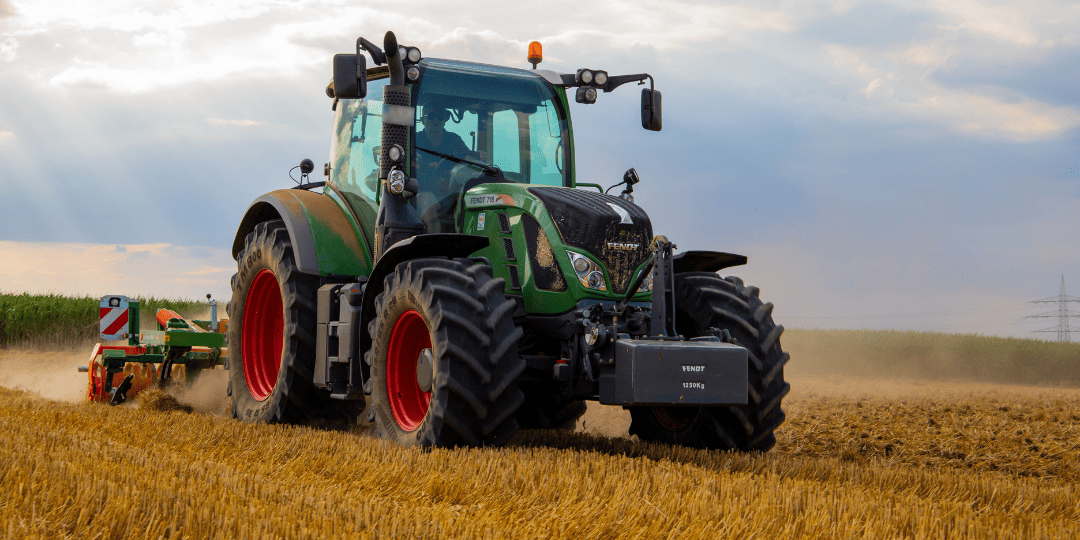
Vehicles and machines can only use red diesel when they're being used for a permitted purpose. Agricultural vehicles such as tractors, for example, can use it for agriculture, horticulture and forestry, as well as for gritting roads, clearing snow and flooding, and cutting hedges, verges and trees next to public roads.
The type of vehicle alone doesn't decide whether red diesel is allowed – what it's being used for does.
A machine used on a farm one week and a building site the next would need white diesel for the construction work, and HMRC expects you to either flush all traces of red diesel from the tank before switching or run the machine on fully taxed fuel for every job.
HMRC's guidance on using rebated fuels in vehicles and machines (Excise Notice 75) sets out every qualifying vehicle and the conditions for each.
How do the red diesel changes affect construction?
Construction was one of the sectors hit hardest by the red diesel changes. Since April 2022, construction businesses can't use red diesel in any vehicle, machinery or generator used for construction work, and must use white diesel, HVO or another fully taxed fuel instead.
Red diesel was widely used on building sites to power plant, machinery and generators, so the change increased fuel costs for many contractors. HMRC carries out checks to make sure businesses comply, so it's worth making sure that any tanks and machinery used for construction work no longer contain red diesel.
Is it illegal to use red diesel?
No, red diesel isn't illegal, but using it for a purpose that isn't permitted is. Since April 2022, businesses that have lost their entitlement must use fully taxed fuel, and HMRC can seize any vehicle or machine found running on red diesel when it isn't entitled to.
You may also have to pay back the duty evaded for up to four years, plus a penalty based on how much fuel was misused. Serious or repeated cases can lead to criminal prosecution, with an unlimited fine, up to seven years in prison, or both.
If you're not sure whether your business can still use red diesel, talk to our fuel team and we'll help you work out the right fuel for your operation.
What can businesses use instead of red diesel?
Businesses that can no longer use red diesel can switch to white diesel (DERV), which is the most common replacement, or to alternatives such as HVO. White diesel works in the same engines as red diesel, so switching doesn't require any changes to your vehicles or machinery.
Run down or flush out any remaining red diesel from your tanks and machinery first, so traces of the marker don't show up if HMRC tests your fuel.
You can order white diesel (DERV) for delivery straight to your site or yard.
HVO is a renewable fuel made from vegetable oils and waste fats. It can replace conventional diesel in many engines without modification, which makes it a practical option if you also want to reduce your reliance on fossil fuels. Check with your equipment manufacturer before switching.
GTL (gas-to-liquid) fuel is another option. It's made from natural gas rather than crude oil, so it's still a fossil fuel, but it can be used as an alternative to conventional diesel in many engines.
Find out more about renewable fuels for your business.
How can Your NRG help you switch from red diesel?
Your NRG supplies white diesel, HVO and other fuels to businesses that have moved away from red diesel, and red diesel to those that still qualify. Our team can help you choose the right fuel for your vehicles, machinery and budget.
Get a commercial fuel quote online, or speak to us about your fuel requirements.